Ready to upgrade your workout wardrobe without the premium retail price tag? Whether you’re hunting for a specific pair of Align leggings or a classic Scuba hoodie, buying pre-owned pieces is the smartest way to stretch your budget. But with so many resale platforms and potential pitfalls like counterfeits or heavy wear, knowing exactly where to shop and what to look for is essential to getting a great deal.
This guide cuts through the noise, showing you the safest places to buy, the red flags to avoid, and the insider tips for spotting high-quality gear that still has plenty of life left. If you’re also looking for ways to stretch your budget even further, you can check out these legit Lululemon deals and discounts alongside pre-owned options.
You’ll see which sellers are worth your time, what to inspect in photos and descriptions, and how to shop with more confidence. Once you know the difference between a smart buy and a risky one, finding your favorite items gets a lot easier.
Key Takeaways
- Start with Lululemon Like New for the safest, easiest buys with verified authenticity, clear condition notes, and a simple shopping process.
- Shop trusted platforms like Poshmark, Depop, eBay, and ThredUp for wider selection and better prices, but always inspect seller ratings, photos, and details closely.
- Check photos for waistband shape, tags, seams, pilling, and wear spots; skip listings with blurry images, vague descriptions, or red flags like unreal prices.
- Get the best value by comparing sold prices, bundling items, timing seasonal buys, and asking sellers key questions about condition and fit.
Start with the safest place if you want real Lululemon fast
If you want real Second-Hand Lululemon without a lot of guesswork, start with the brand’s own Resale Lululemon initiative. It removes much of the risk that comes with peer-to-peer marketplaces, where photos can be vague and product history is often unclear.
That matters when you want a pair of leggings or a bra you can wear right away. The official route gives you a cleaner buying process, more confidence in what you get, and less time spent second-guessing listings.
Why Lululemon Like New is the easiest place to begin
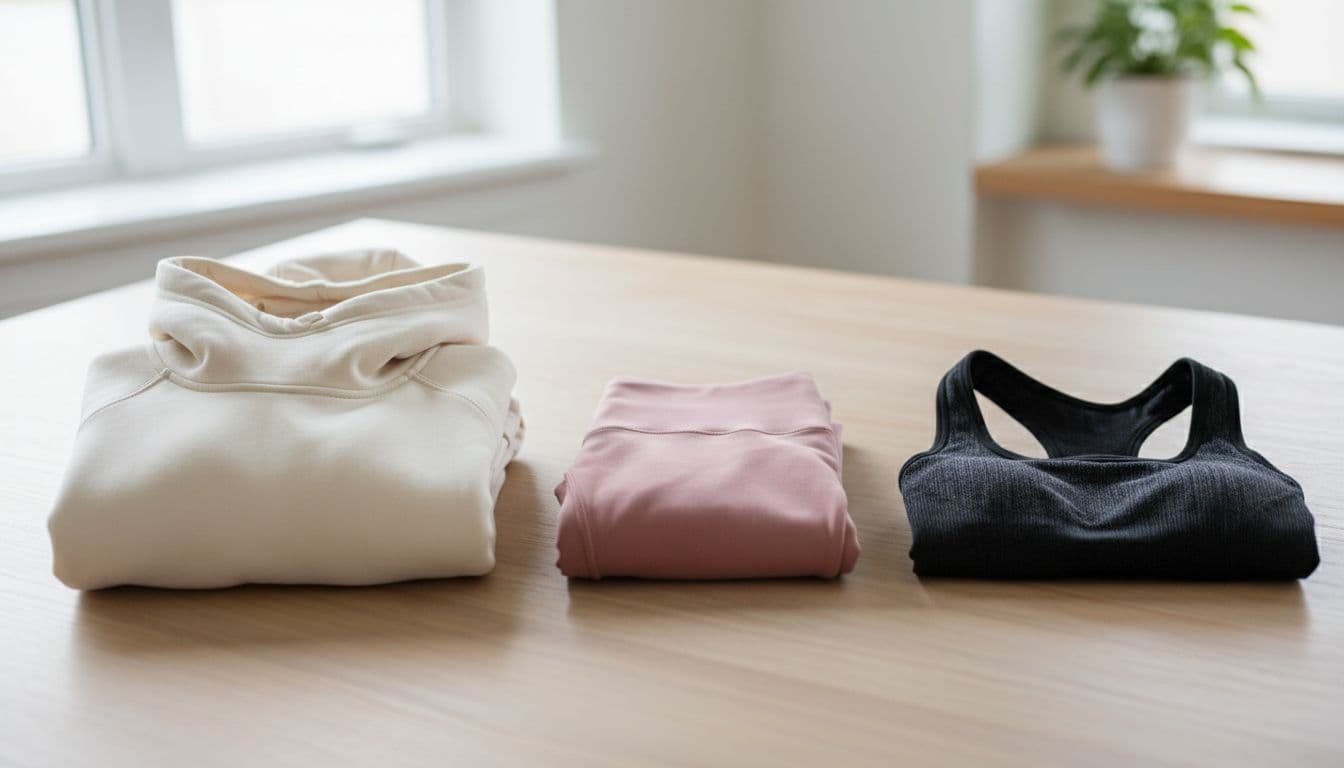
Lululemon Like New is the most straightforward first stop because the items come through the brand itself. That means you are not trying to sort out a random seller’s story or guess whether the tags match the listing. If you want a safer path, that built-in trust is hard to beat.
The brand also sets condition standards before items go back on sale. Pieces are cleaned, checked, and listed with condition notes, so you know whether you are buying something in gently used shape or something closer to good as new. If you want to see how the program works, Lululemon outlines the process in its official Like New FAQ.
For most buyers, the main draw is simple:
- Authenticity is easier to trust because the items come through Lululemon.
- Condition is clearer than on many marketplace listings.
- Shopping is faster because you can browse, pick, and check out without chasing a seller for details.
You are also more likely to find popular core pieces, like Lululemon leggings such as Aligns, Scuba joggers, Define jackets, sports bras, tops, and other workout basics. Sometimes you may also spot discontinued colors or older favorites, which is great if you want a specific look without paying full retail.
When the official resale site may not be your best deal
The tradeoff is price and selection. Like New is safer, but it is not always the cheapest place to buy. If you are hunting for a very specific size or color, stock can feel thin, and the best pieces sell quickly.
That is where peer-to-peer sites can look more tempting. You may find more options, and sometimes the price is lower. Still, that lower price comes with more work on your end, because you need to inspect photos, compare tags, and judge whether the seller looks credible.
A quick comparison makes the choice easier:
| Best for | Like New | Peer-to-peer sites |
|---|---|---|
| Safety | High | Varies by seller |
| Authenticity confidence | Strong | You verify it yourself |
| Size and color selection | Limited | Often wider |
| Price | Often a bit higher | Can be lower |
| Buying experience | Simple | More back-and-forth |
Choose the official resale site when you want less risk, a smoother return experience, or a purchase that feels easy from start to finish. Shop elsewhere only when you are willing to spend extra time checking the listing and when a better price or better size match matters more than convenience.
If you want real Lululemon fast, the safest first move is usually the simplest one: start with the brand’s own resale site, then branch out only if the stock does not fit what you need.
The best resale apps and sites for second-hand Lululemon
Once you move past the brand’s own resale channel, the next best place to shop depends on what you care about most. Some apps give you the widest mix of leggings, tops, and jackets. Others are better when you want trendy photos, local pickup, or a lower price on a basic piece.
For Second-Hand Lululemon, the safest third-party options usually have strong seller histories, clear photos, and enough buyer traffic to keep listings fresh. These apps are great places for gently used clothing and designer activewear. The platforms below cover different shopping styles, so you can match the site to your budget and how much risk you’re willing to take.
### Poshmark for the widest mix of leggings, tops, and jackets
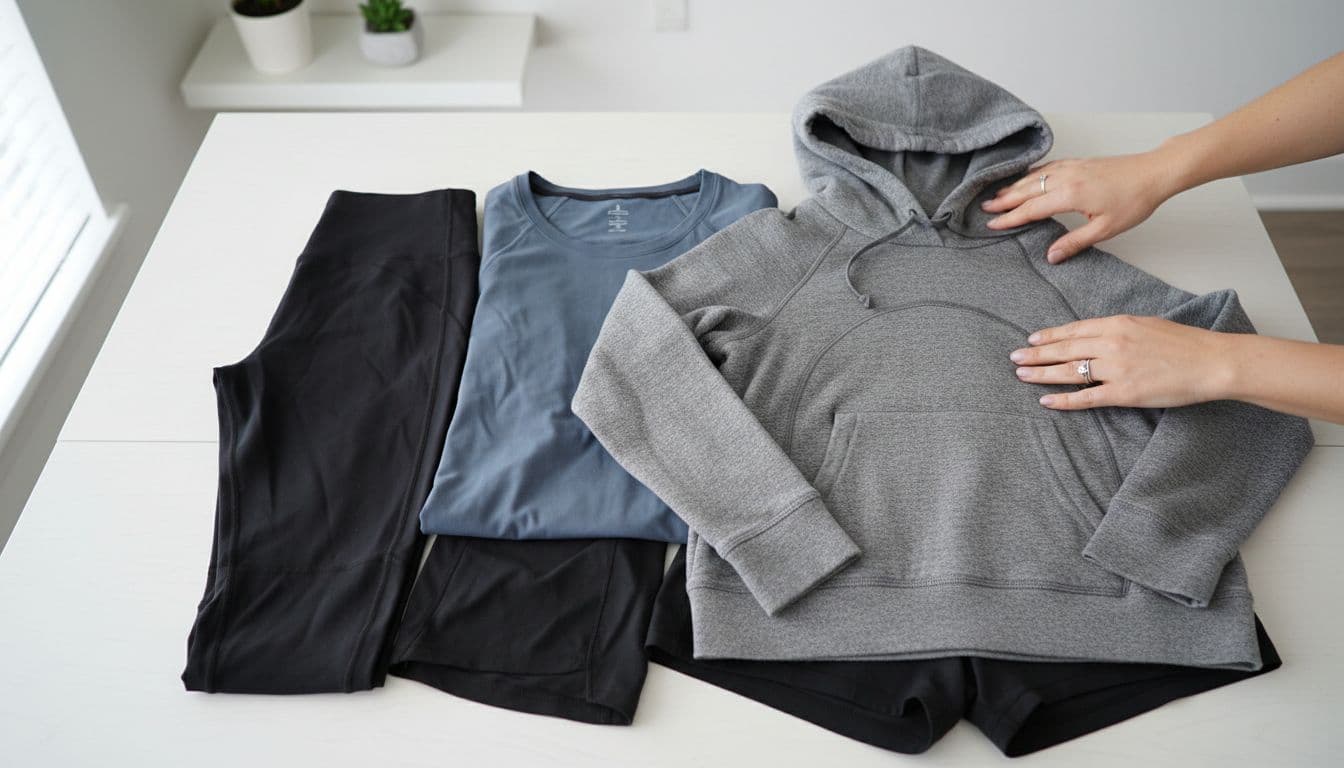
Poshmark is one of the strongest options if you want lots of listings in one place. It tends to have a deep inventory of Lululemon leggings, used Lululemon shirts, Swiftly Tech tops, sports bras, hoodies, and lightweight jackets, so you can compare styles without bouncing between apps.
It also works well when you want fair prices rather than the absolute lowest price. Many sellers price items a little high at first, but bundles and offers can bring the total down fast. If you’re buying more than one piece, the bundle feature can make a real difference.
Seller ratings matter here. A closet with consistent reviews, recent sales, and clear item details usually deserves more trust than a listing with one blurry photo and almost no description. Poshmark also gives you a better shot at spotting patterns, like whether a seller handles activewear carefully or lists items in poor condition.
Use the photos like a checklist. Look for waistband wear, pilling, stretched fabric, seam damage, and tag details. If the listing feels thin, ask for more angles before you buy.
A good Poshmark listing should feel complete, not mysterious.
The platform is crowded, which helps you, but it also means you need to be picky. For used Lululemon, that trade-off usually pays off.
Depop for trendy finds and harder-to-find colors
Depop is a smart stop when you want Lululemon pieces that feel a little more styled. Sellers often post clean, attractive photos, and that usually means you get a better look at color, fit, and overall condition before you decide.
This can be especially helpful when you’re hunting for rare colors, older prints, or popular athleisure pieces that sell fast elsewhere. If you want a pair of leggings in a shade that’s no longer easy to find, Depop can turn up options that don’t show up on more basic resale sites.
Pricing can swing both ways. One seller may price a pair of leggings low to move them quickly, while another may charge more because the color is hard to find or the photos look polished. That means you should compare listings carefully instead of assuming every post is a deal.
A quick search across similar items helps. If one listing is much cheaper, check the description and photos first. A lower price can be a bargain, but it can also mean fading, pilling, or missing details.
For a broader look at how major resale platforms differ, CNBC’s 2026 resale app roundup is a useful reference point. Depop usually makes the most sense when style and presentation matter as much as price.
eBay and Facebook Marketplace when you want more local or auction-style deals
eBay can be a strong place to hunt for Lululemon bargains, especially if you like auctions for athletic shorts or want to compare a huge number of listings. It’s also useful for rare sizes, discontinued colors, and bundles, since sellers often list items from many categories and price points.
Facebook Marketplace works differently. It’s better when you want local pickup and a quick deal, especially for bulkier items like jackets or hoodie bundles. You can sometimes avoid shipping costs, which makes the total price feel much better.
Both platforms call for extra caution. Seller history matters on eBay, so check feedback, past sales, and how long the account has been active. On Facebook Marketplace, you’ll usually have less built-in protection, so you need to judge the listing more carefully.
Before you buy, ask for:
- More photos of the front, back, waistband, cuffs, and tags
- Close-ups of the size dot, care tag, and any wear spots
- Clear answers about stains, pilling, stretching, and smoke or pet exposure
Avoid listings with stock photos only, vague descriptions, or prices that feel too low for the item’s condition. A real bargain should still come with enough detail to feel believable. If the seller dodges simple questions, move on.
### ThredUp, Vinted, Vestiaire Collective, and Clothes Mentor for different shopping styles
These platforms are useful when you want a different kind of shopping experience, not just the biggest selection.
ThredUp works best if you want low-effort shopping at a convenient online resale shop. The site handles a lot of the sorting for you, so you spend less time messaging sellers and more time browsing cleaned-up listings. That convenience can be worth it if you care more about ease than score-chasing.
Vinted is a better fit when you want simple listings and budget-friendly pieces. It can work well for basic leggings, tops, and everyday activewear, especially when you’re open to buying from sellers who want quick sales.
Vestiaire Collective is worth a look if you’re after premium or lightly used items. It tends to make more sense for buyers who want a bit more structure around the listing and are comfortable paying a little more for that.
Clothes Mentor is different again, because in-store resale lets you inspect pieces in person. That helps when you care about fabric feel, stretch, and visible wear. If you don’t want surprises, an in-person check can be the easiest way to buy used Lululemon.
Here’s a quick way to compare them:
| Platform | Best shopping style | What you’ll like most | What to watch for |
|---|---|---|---|
| ThredUp | Low-effort online shopping | Easy browsing, less seller contact | Smaller selection for specific Lululemon pieces |
| Vinted | Budget-focused shopping | Lower prices, simple listings | Condition details can vary by seller |
| Vestiaire Collective | Premium-minded shopping | Better for higher-end or lightly used finds | Prices may be higher than peer-to-peer apps |
| Clothes Mentor | In-person inspection | You can check fabric and wear before buying | Stock depends on location |
If you want the easiest online experience, start with ThredUp. If you want the best chance of inspecting a piece before you commit, an in-store shop like Clothes Mentor is hard to beat. For shoppers who care most about price, Vinted can be a smart place to check first.
Why sold-out listings and fast-moving sizes matter so much
The best Lululemon pieces move fast, especially in popular sizes and classic colors. Black Align leggings, neutral Scuba hoodies, and easy-to-wear tops often disappear quickly once they’re priced well.
That speed changes how you shop. If a listing looks right, don’t wait too long. A good size in a strong condition can vanish while you’re still comparing photos.
Saving searches helps a lot. So does setting alerts when the platform allows it. That way, you don’t have to keep checking the same item by hand all day.
You should also be ready to act when the price looks fair. With Second-Hand Lululemon, the best listings often reward quick, careful buyers. If you know your size, know your preferred colors, and know your red flags, you’ll move faster than most shoppers and miss fewer good finds.
How to tell if a second-hand Lululemon item is worth buying
The best used Lululemon pieces in an active clothing collection look good, feel right, and still have plenty of life left in them. Before you hit buy, check the listing like you would inspect a favorite pair of leggings in a dressing room, because photos, fabric, fit, and price all need to line up.
A cheap listing is not a good deal if the waistband is stretched, the seams are tired, or the fabric has lost its shape. You want a piece that fits your needs now and still makes sense after a few more washes.
Check the photos the right way before you buy
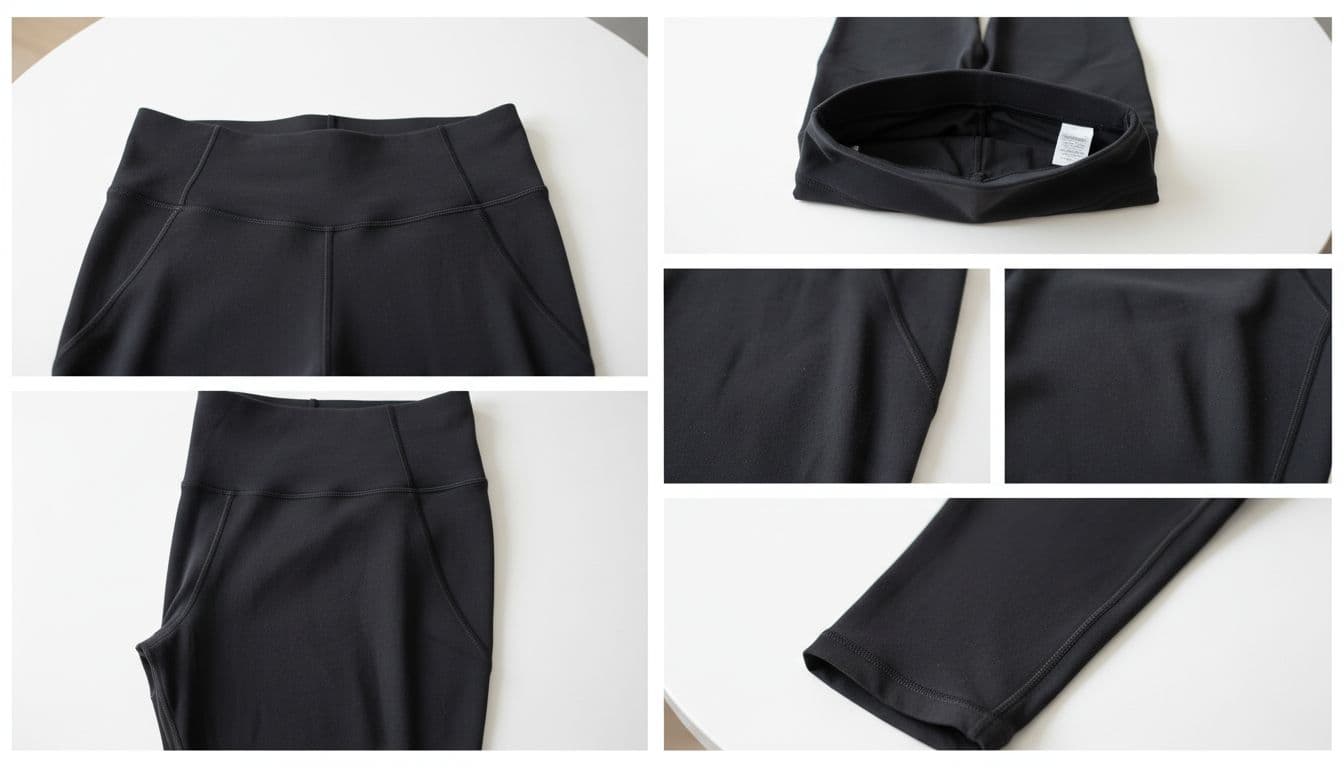
Good photos tell you almost everything you need to know. Start with the waistband, because that area shows stretch, twisting, and wear faster than most other spots. Then zoom in on the inside tag, side seams, crotch area, cuffs, and any place the fabric rubs the most.
You should also look for small clues that reveal how the item was cared for. Sharp photos of the tag, stitching, and logo help you spot problems early. Blurry pictures do the opposite, so treat them as a warning sign, not a small inconvenience.
Pay close attention to these details:
- Waistband shape: It should look even and hold its form. A wavy or baggy waistband can mean it has been overstretched.
- Inside tag: The size, fabric details, and care label should be readable. If the seller avoids showing it, ask for a clear close-up.
- Seams: Straight seams usually mean better care. Loose threads, puckering, or split stitching can shorten the life of the piece.
- Wear spots: Check the inner thighs, seat, underarms, and cuffs. These are the first areas to show friction.
- Color and texture: Look for faded patches, shine from heavy wear, or areas that look thinner than the rest, particularly on performance leggings and sweat-wicking fabrics.
If the seller only posts one full-body photo, keep scrolling. A real listing should let you inspect the item from a few angles, not leave you guessing. For more help identifying tag details, how to spot fake Lululemon is a useful reference point when you’re comparing inside labels and stitching.
If the photos feel incomplete, the listing is incomplete.
A clean, well-lit photo set usually means the seller knows the item well. That alone can save you from a bad purchase.
Look for the signs of normal wear versus damage
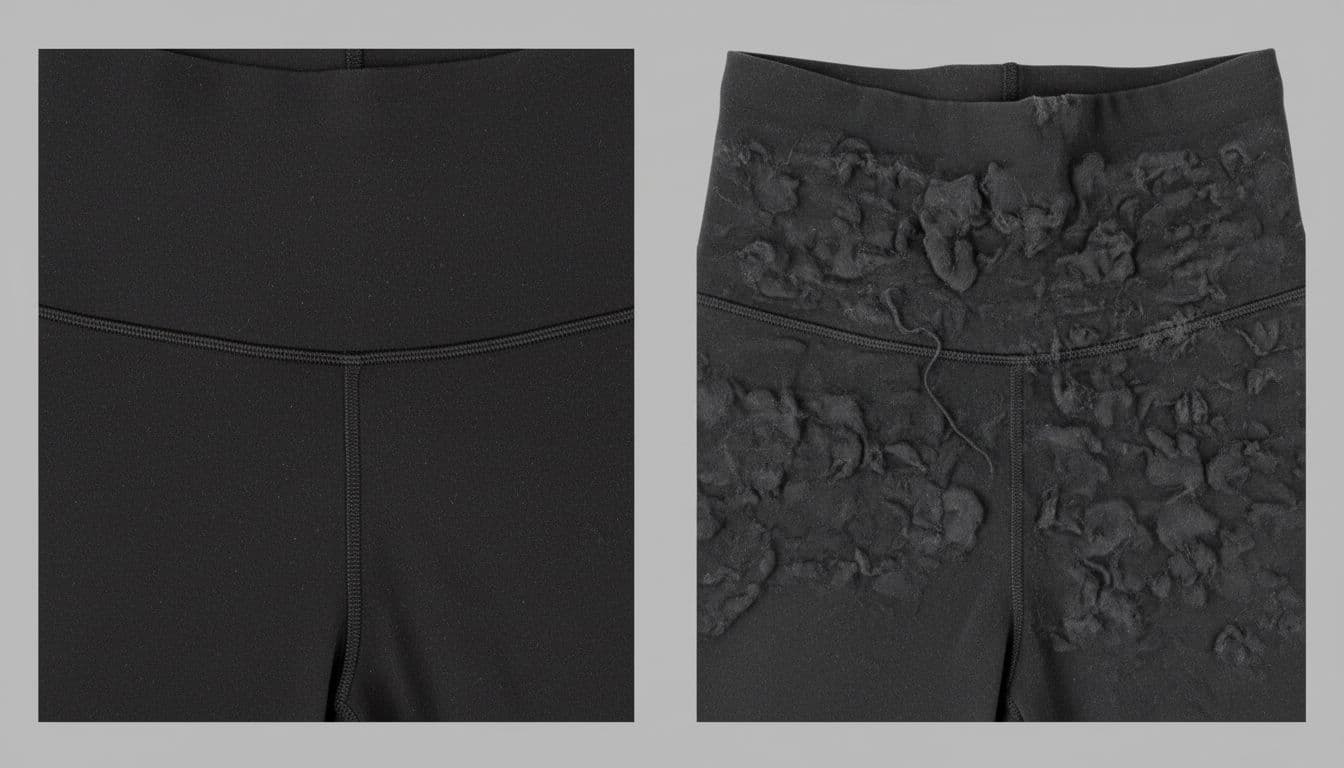
Not every used item needs to look brand new. Light wear is normal, especially on leggings and sports bras that get washed often. The key is knowing which signs are minor and which ones mean the item may have a short remaining life.
A little pilling on a high-friction area can be acceptable if the rest of the item is strong. The same goes for slight fading on older colors. On the other hand, heavy pilling, stretched elastic, snags, and split seams usually mean the item has already taken a beating.
Here’s a simple way to think about it:
| Sign | Usually acceptable? | What it means |
|---|---|---|
| Light pilling | Sometimes | Normal friction, often on inner thighs or underarms |
| Stretched waistband | Usually no | Elastic may no longer hold well |
| Mild fading | Sometimes | Older wash wear, especially on darker colors |
| Snagging or holes | Usually no | Fabric damage that can spread |
| Strong odor | Usually no | Can be hard to remove and may point to poor care |
Pilling by itself is not always a deal-breaker, but you should judge it by location and amount. Small patches on leggings may be fine if the fabric still feels thick and supportive. Pilling across large areas, however, means the material has lost quality.
Odor matters more than people think. A strong smoke, sweat, or mildew smell can linger even after washing. That can make the item unpleasant to wear, and in some cases, it means the seller stored it badly.
You should also check for stains that photos may hide. Dark water marks, makeup smudges, and deodorant stains can be tough to remove from performance fabric. If the seller says they “haven’t tried” to clean the item, factor that into the price, because you may be taking on the problem.
A piece with honest signs of wear can still be worth buying if the price reflects it. A piece with damage, however, should be priced low enough that you’re comfortable replacing it sooner.
Use size, style, and fabric details to avoid regrets
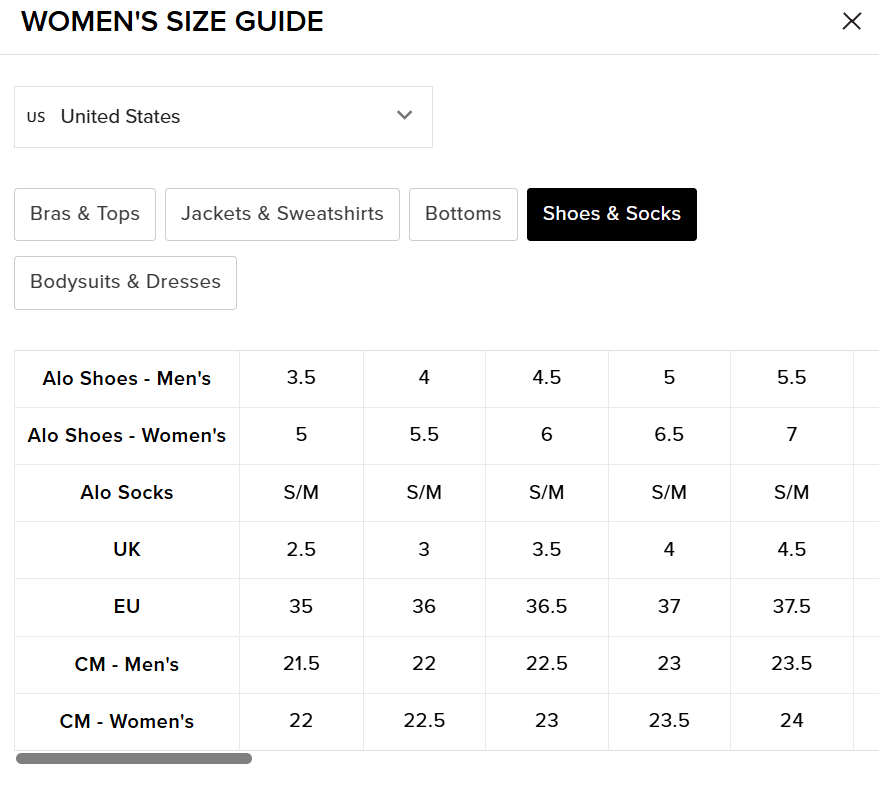
Fit matters just as much as condition. Lululemon sizing can change from one style to another, so the size tag alone does not tell you enough. A pair of 6s in one legging style may feel very different from a pair of 6s in another.
Start with the shape of the item. High-rise leggings, mid-rise shorts, and fitted tops all sit differently on the body; these pieces are perfect for the yoga studio. Then look at fabric type, because stretch, compression, and softness can change how forgiving the fit feels.
If you want a deeper breakdown of how the brand’s sizing works, the Lululemon sizing guide is a smart place to compare styles before you buy.
Fabric matters too. A buttery-soft material may feel amazing, but it may also fit more snugly or show wear faster. A firmer, more compressive fabric can hold shape better, yet it may feel tighter than you expect. For a helpful fabric breakdown, this Lululemon fabric guide explains how different materials wear and fit across styles.
A quick fit check helps you avoid buyer’s remorse:
- Size tag: Confirms the label, but does not guarantee fit across styles.
- Rise: High-rise, mid-rise, and low-rise pieces can change how secure the item feels.
- Fabric type: Soft, stretchy fabric fits differently than compressive fabric.
- Length: Cropped, 7/8, and full-length styles all sit differently on the leg.
- Compression: Some used pieces feel supportive, while others feel loose with age.
If you already own Lululemon, compare the listing to a piece that fits you well now. That gives you a much better sense of whether the used item will work. If you do not know your best size yet, shop carefully and choose the style with the most forgiving fit.
Sometimes the smartest buy is not the cheapest one. A slightly higher-priced item in the right fabric and rise can be a better deal than a bargain piece you never reach for. When you shop Second-Hand Lululemon, that fit check matters just as much as the condition check, because the best purchase is the one you’ll actually wear.
How to avoid fake listings and sketchy sellers
Shopping for second-hand Lululemon, the perfect blend of fashion and function, can save you real money, but the listing has to pass a basic trust test first. If a seller feels rushed, vague, or hard to pin down, move on. Good deals are clear, while sketchy ones usually ask you to ignore the details.
The safest approach is simple: slow down, inspect the listing, and ask for proof before you pay. That extra minute can save you from fake gear, worn-out pieces, or sellers who vanish the second your money clears.
Red flags that should make you skip a listing
Some listings are bad fits, and some are risky from the start. If you spot several warning signs at once, skip it. The best second-hand Lululemon listings feel open and specific, not slippery.
Watch out for these common problems:
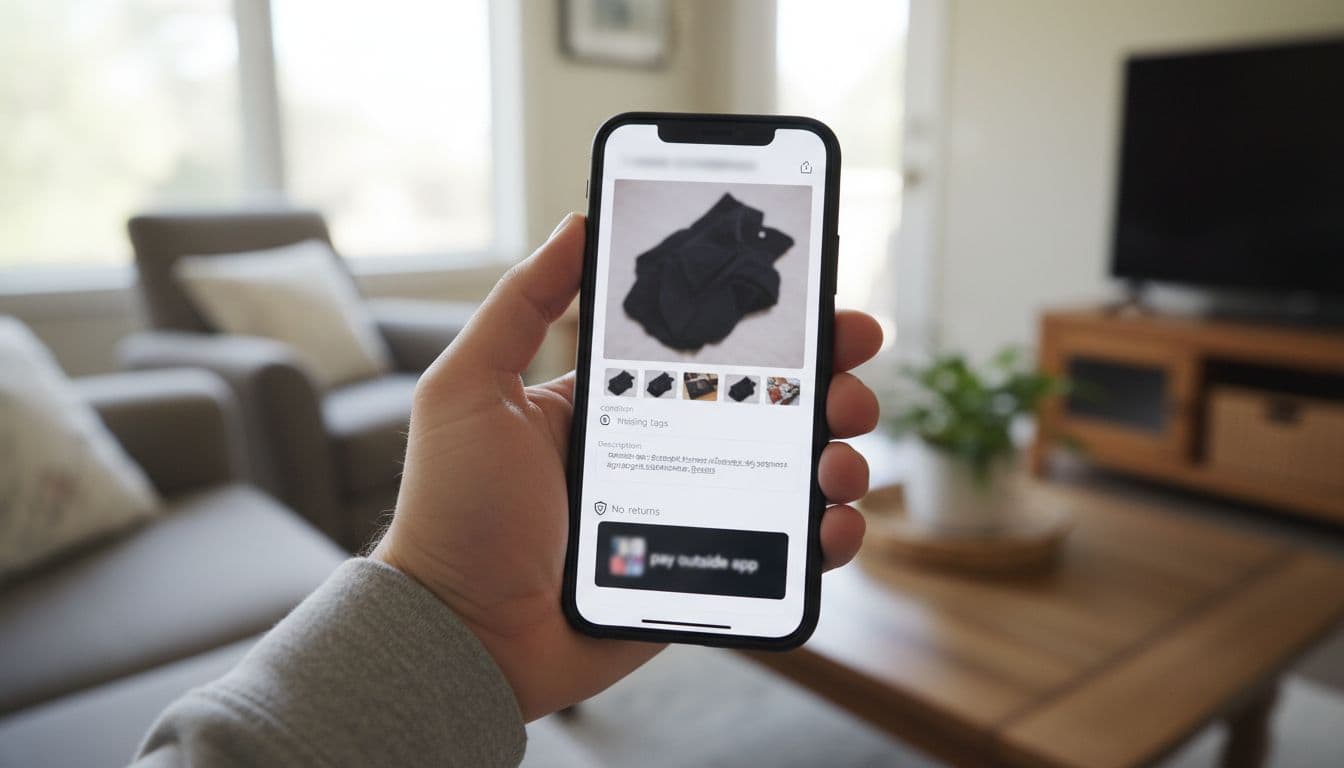
- Missing tags or label photos. If you cannot see the size dot, care tag, or rip tag, you do not have enough proof.
- Inconsistent branding. Wrong font, blurry logos, odd placement, or tags that do not match the style are all bad signs.
- No proof of condition. A seller should show the front, back, waistband, seams, and any wear spots. One polished photo is not enough.
- No return policy or sale protection. If the seller gives you no recourse and the platform offers little support, your risk goes up fast.
- Pressure to pay outside the platform. That is one of the biggest red flags. It can remove buyer protection and makes disputes harder.
- Prices that look unreal. If a New with tags item is priced way below normal resale value, pause and compare it to similar listings first.
If the price looks amazing but the listing looks thin, treat it like a warning, not a win.
Weak descriptions matter too. A seller who writes only “great condition” or “ask me anything” is asking you to do all the work. Real sellers usually include size, fabric type, wear notes, and at least a few close-up photos.
Copied photos are another problem. Reverse-image search can help when a listing looks too polished or too generic. Scammers often reuse stock images or steal photos from other sellers, and the same item may appear in multiple places with different prices. Guard.io’s guide to Lululemon scams gives a solid rundown of common fake-offer patterns, including photo reuse and sketchy seller behavior.
You should also be wary of sellers who avoid basic questions. If they dodge requests for measurements, refuse to show tags, or keep pushing you to hurry, that usually means the listing is hiding something. A good seller does not act annoyed when you ask for details.
Questions to ask before you pay

Smart questions make sketchy sellers show their hand. You do not need a long interrogation, just a few clear questions that give you the facts you need. If the answers sound vague, rushed, or defensive, that is useful information too.
Start with the basics:
- What are the exact measurements? Ask for waist, inseam, rise, bust, or length, depending on the item.
- How is the fabric condition? Ask about pilling, thinning, stretching, snags, or faded areas.
- How often was it washed? Frequent washing can change fit, color, and feel.
- Was it machine dried? Heat can wear out elastic faster and affect shape.
- Are there any hidden flaws? Ask about stains, loose seams, odor, or marks that may not show in the main photos.
- Can you send close-ups of the tags and size dot? That gives you more to compare against known real items.
- Is there any reason this would not suit a buyer who wants normal everyday wear? That question often gets sellers to be honest.
You can also ask whether the photos show the exact item you will receive. That matters more than it sounds. Some sketchy listings use one clean photo for an item that has several flaws in real life.
A few extra checks can save you from regret. Ask if the item comes from a smoke-free or pet-free home if that matters to you. Ask whether the seller will point out any flaws in the photos. Ask if the return terms on the resale marketplace change once the package ships.
For more help comparing real item details, this Lululemon fake-merchandise guide breaks down tag issues, repeated inventory, and other signs that often show up in counterfeit listings.
When you buy Second-Hand Lululemon, confidence comes from proof. Clear photos, honest answers, and normal pricing usually point to a real listing. Vague wording, pressure tactics, and outside-platform payments point the other way, so trust the pattern and keep looking if something feels off.
How to get the best value on used Lululemon
You get the best value when you shop with a plan, not when you chase the lowest sticker price. The smartest buyers compare real sold prices, watch for bundle offers, and wait for the right listing instead of jumping on the first one that looks decent.
That approach matters even more with Second-Hand Lululemon because prices move by color, size, season, and condition. A clean black pair in a popular size can hold value far better than a bright print in a slow-moving cut, so your job is to spot the difference before you pay too much.
Set saved searches for the exact size, color, and style you want. That way, you can catch a good listing early without scrolling all day.
Compare sold prices, not just asking prices
Asking prices can be wishful thinking. Sold prices show what buyers actually agreed to pay, which gives you a real market check instead of a seller’s hope. That difference can be huge on activewear, where some closets sit for weeks with inflated tags while listings at discounted prices move fast.
Start with completed sales on the same platform, then compare the same item across a few sites. A pair of Align leggings, for example, may show a wide spread depending on fabric, condition, and color. Recent resale data puts many used pairs in the $39 to $89 range, a steep drop from the retail price, but the sweet spot is usually lower for common colors and more worn pieces with price markdowns.
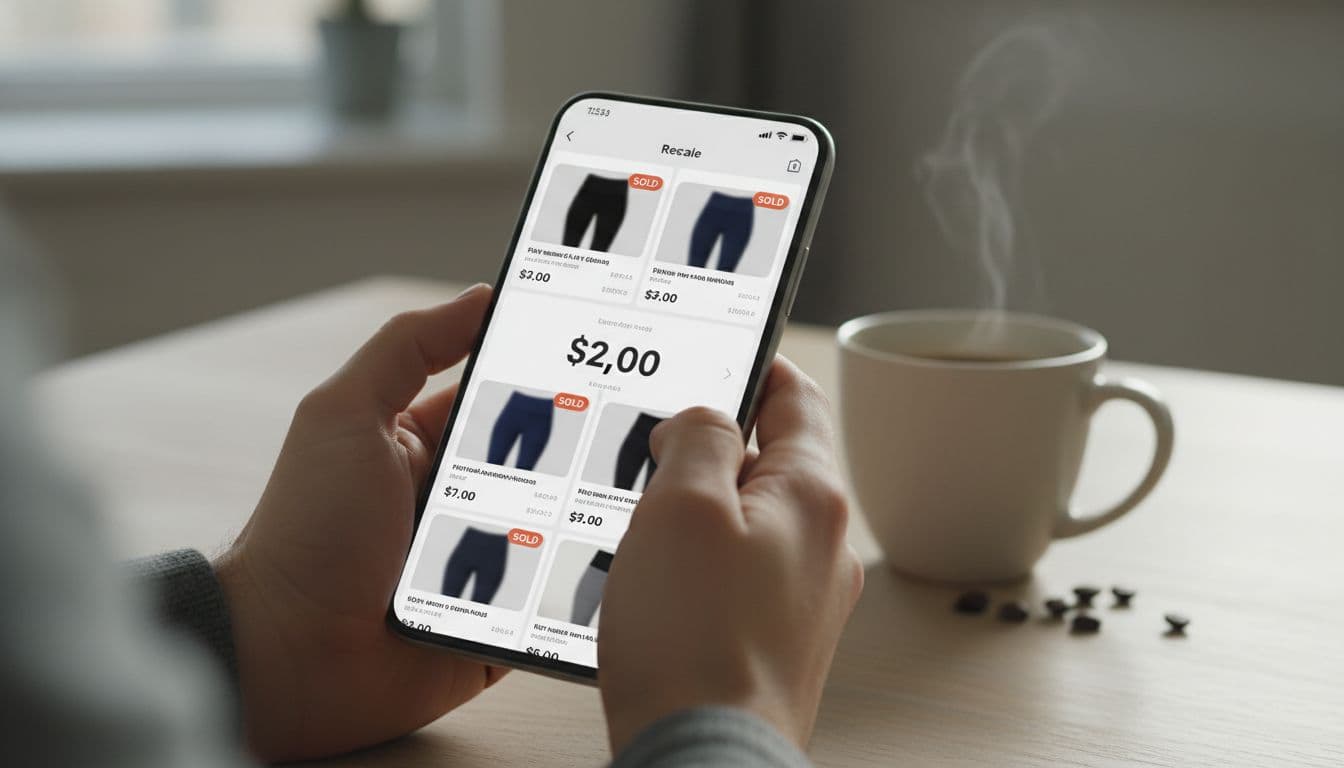
Use sold comps to answer one question: What are people really paying right now? If a seller wants $72 for a pair that keeps selling at discounted prices of $48 to $55 in similar condition, you already know the listing is overpriced. On the other hand, if a rare color or excellent-condition item keeps selling near the top of the range, a slightly higher price can still be fair.
A simple comparison helps:
| What you see | What it usually means | What to do |
|---|---|---|
| High asking price, no recent sales history | Seller is testing the market | Compare sold comps before you offer |
| Similar item sold for less | The listing may be overpriced | Wait or negotiate |
| Item sold quickly at a solid price | Demand is strong | Move fast if the listing fits your needs |
| Multiple low sales in a row | Supply is high or demand is soft | Push for a lower offer |
A listing only looks like a deal until you compare it with what already sold.
This is also where item details matter. A black Align legging in excellent condition will usually justify more than a faded pair with pilling. If you keep your eye on sold listings, you stop paying for hype and start paying for the piece itself.
Watch for bundle deals, coupons, and seasonal slowdowns
Bundle offers are one of the easiest ways to save, especially when you want more than one item. Many sellers will cut a few dollars if you buy leggings, a bra, tank tops, or a top together. On platforms like Poshmark, bundle discounts often show up right in the closet, and some sellers will send offers when you like multiple pieces such as tank tops.
That matters because the price per item drops fast once shipping is spread across more than one piece. A $38 legging plus a $22 racerback tank can feel much better at a bundled price than as two separate orders. If you’re already planning to buy a set, ask for a combined price before you check out.
Seasonal timing helps too. Certain pieces sell slower when they are out of season, and that is your opening. Shorts and skorts are often cheaper in winter, while hoodies and jackets can soften in late spring. Leggings, designed for high-intensity workouts, hold value longer and stay in demand year-round, but even those can dip when sellers need to clear space.
Recent resale trends back that up. Core pieces like black or navy leggings stay strong, while trendier colors and warmer-weather items often sit longer. You can use that lag to your advantage if you are patient and flexible.
| Item type | Better time to buy | Why prices soften |
|---|---|---|
| Shorts and skorts | Winter | Fewer shoppers are looking for warm-weather gear |
| Hoodies and jackets | Late spring or summer | Sellers want to move heavier layers |
| Leggings | Off-peak periods and after holiday rushes | More supply, less urgency |
| Basics in neutral colors | Whenever you find a fair comp | They sell steadily, but patience still helps |
Seller discounts also add up. Some closets price a few dollars below market just to move inventory, and others accept reasonable offers quickly if the item has sat for a while. If you see a piece that has been listed for weeks, that is your cue to make a polite offer instead of paying full price.
This is where saved searches pay off again. When the right item pops up at the right time, you can act fast without overpaying. The best value on used Lululemon comes from patience, timing, and a clear price target, not from grabbing whatever is available first.
Absolutely. Here is a schema-friendly FAQ version with short, direct Q&A wording.
FAQ
Is it safe to buy second-hand Lululemon?
Yes, it can be safe if you buy from trusted platforms and check the listing carefully. The safest option is Lululemon Like New, but other resale sites can also be good if the seller has clear photos, honest descriptions, and a strong history.
Where is the best place to buy used Lululemon?
The best place to start is Lululemon Like New for the lowest risk. If you want more selection or better prices, Poshmark, eBay, Depop, and local resale shops are also worth checking.
How can you tell if second-hand Lululemon is real?
Look closely at the tags, stitching, logo placement, and overall quality of the photos. A real listing usually shows the inside tag, size dot, waistband, seams, and any wear spots.
What should you look for before buying used Lululemon?
Check the condition, seller details, photos, fabric wear, stains, pilling, and price. The listing should give you enough detail to judge whether the item is worth buying.
Are used Lululemon leggings worth it?
Yes, if the leggings are in good condition and priced fairly. Many used Lululemon pieces still have plenty of life left, especially if the waistband, seams, and fabric still look strong.
What are the biggest red flags in second-hand Lululemon listings?
Blurry photos, missing tag images, vague descriptions, unrealistic prices, and pressure to pay outside the platform are major red flags. These signs can point to fake, damaged, or risky items.
Can you return second-hand Lululemon?
It depends on the platform and seller. Some resale sites offer buyer protection or returns, while others do not, so always check the policy before buying.
How do you get the best deal on used Lululemon?
Compare sold prices, use saved searches, watch for bundle offers, and shop during slower seasons. The best deals usually go to buyers who are patient and know what a fair price looks like.
When you shop for Second-Hand Lululemon, the safest place to start is still the official resale option from this luxury activewear brand, because it gives you the most confidence in condition and authenticity. If the size, color, or price is not right, trusted marketplaces can still deliver a better deal.
The best buys come from listings that show clear photos, honest wear notes, and realistic prices. You already know what to check now, so use that to spot good fabric, clean seams, and sellers who answer questions directly.
Keep fakes and rushed listings out of your cart, and don’t pay extra for vague photos or sloppy details. Selling used clothes platforms have made it easier than ever to find these deals on second-hand Lululemon. If you shop carefully, you can save money and still get pieces you’ll actually wear.